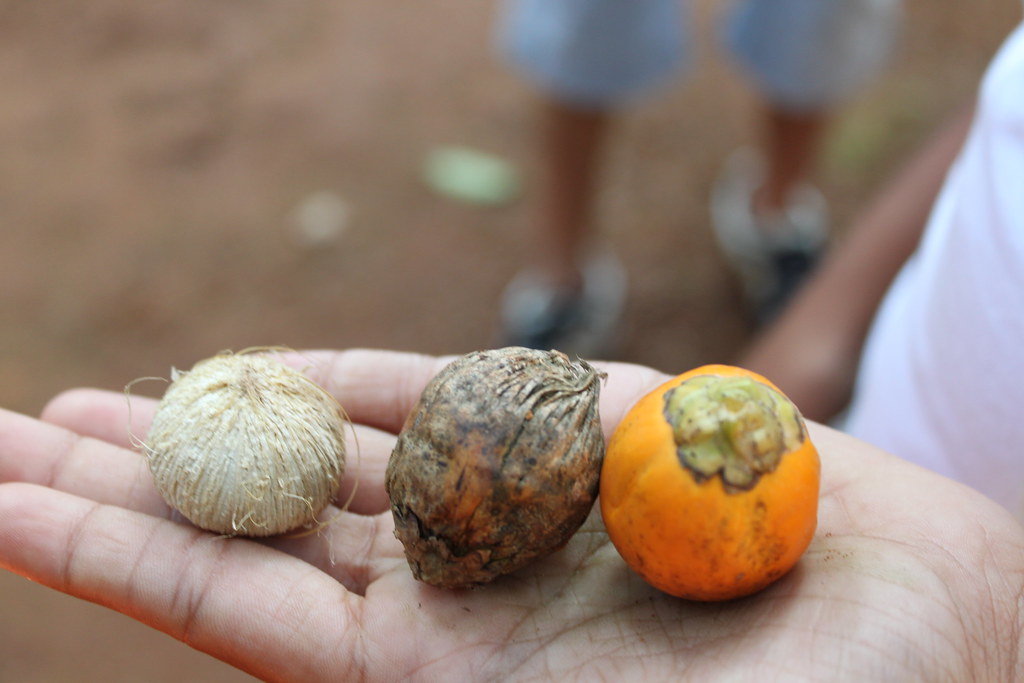
Betel nut, typically identified as Areca seed, represents the nut of the Areca tree tree and bears an essential position in the tradition and financial system of numerous Asian countries. The kernel gets chewed for its stimulant impact, notably when combined with betel leaf (a combination of betel vine and calcium hydroxide) or tobacco. The nation of Indonesia, being one of the largest cultivators of betel seeds, has grown into a significant player in the global trade network for this resource.
Within the nation of Indonesia, consuming betel nut, known locally as “sirih pinang,” has a long tradition. It frequently utilized in ceremonies, group assemblies, and health remedies. Across rural areas, mainly in Sumatran regions, Kalimantan, and Sulawesi, the custom of consuming Areca seed is still firmly entrenched. The seed has a social and traditional meaning, often acting as a sign of warmth or featured in customary rituals, for example weddings.
In terms of economics, growing betel nuts delivers means of income for many local farmers, notably in areas including Aceh, West Sumatran regions, and Sulawesi’s northern provinces. For local communities, Areca nut functions as a vital cash crop, supplementing their financial means and playing a vital role in local economies.
The tropical climate of Indonesia’s humid weather, productive land, and wide coastal regions deliver the ideal environment for Areca palms to thrive. The growing procedure is uncomplicated and requires significant labor, entailing seeding palms, upkeep of Areca groves, and harvesting the nuts after around five years. After they are harvested, the betel nut suppliers in Indonesia are generally sun-dried, boiled, or cured, based on the local customs and the consumer demand.
The betel nut business in Indonesia has a multifaceted production chain, involving subsistence farmers, regional merchants, middlemen, and export companies. At times, betel nuts are distributed fresh, but most commonly, they undergo drying to ensure a longer shelf life and to accommodate the preferences of foreign consumers.
Worldwide demand for betel nut, notably in countries for instance the country of India, Pakistan, Taiwan, and different parts of Southeast Asia, has increased in the last few years. betel seed is in high demand in those nations, where its consumption is a cultural tradition, even with the growing awareness of its potential health risks. India is the largest importer of Areca nuts from Indonesia. The nuts are handled in various forms, such as whole nuts, halved nuts, or in a powdered state, according to the market requirements. The use of betel nut in traditional paan preparations continues to be prevalent in the region of India, and Indonesian Areca seed is frequently chosen for its superior quality and availability.
Taiwan region is another increasing market for Areca nuts from Indonesia, where the tradition of betel nut consumption is prevalent, especially among gents in rural areas. Traders in Taiwan favor over betel nuts from Indonesia as a result of their reduced costs in contrast to domestic production. Even with the financial prospects of the betel nut industry, Indonesian suppliers encounter several challenges in enhancing their customer base and upgrading their supply chains.
In the last few years, healthcare studies have correlated habitual chewing of betel nuts with mouth cancers and additional health concerns, eliciting worries about its safety. This has resulted in some places introducing more stringent regulations or or possibly cessations on the marketing and consumption of betel nut products. For example, Taiwanese authorities has introduced measures to limit the practice of chewing betel nut due to increasing incidents of oral cancer. Indonesian manufacturers, thus, face the difficulty of maneuvering through these regulations while sustaining their overseas markets.
Though the Indonesian Areca nut market is extensive, it lacks uniform standards for quality control and standard operating procedures. This might cause variability in product quality, which influences its worldwide image. Several producers have started embracing more thorough organizing, assessing, and packaging practices to secure reliability, but the betel nut sector still has room for improvement.
Like many farming products, the cultivation of betel nuts raises concerns about deforestation and ecosystem degradation. In various locations, Areca nut farms have increased into formerly wooded regions, leading to a reduction in species diversity and breakdown of ecosystems. Addressing these environmental concerns is essential for the enduring health of the industry.
Indonesia itself is definitely not the singular country producing betel nut. Several Southeast Asian nations, such as the kingdom of Thailand, Burma, and Ceylon, likewise have prosperous betel nut markets. Indonesian suppliers must keep a competitive edge by providing premium products, well-organized logistics, and competitive pricing to preserve their stake in the global market.
Despite the challenges, the outlook remains hopeful for the betel nut sector in Indonesia. The global demand for betel seed is anticipated to continue to thrive due to the firmly established cultural habits of clients in important markets. While countries including the country of India and the island of Taiwan continue to want premium betel seeds, Indonesian suppliers are strategically placed to meet this need.
In order to guarantee consistent expansion, Indonesian Areca nut manufacturers are focusing on modernizing their operational methods, improving quality control, and exploring new markets. Some firms are putting funds into modern technologies and framework to simplify their processes and enhance operational efficiency. Additionally, there is growing interest in sustainably produced and environmentally friendly products, which could present additional possibilities for suppliers in Indonesia open to adopt green practices.
The Indonesian betel nut market is a important factor to both the regional and world economy. It delivers means of living to countless independent farmers and meets the needs of foreign markets, particularly in the nation of India and the island of Taiwan. However, challenges such as health concerns, compliance issues, and market competition must be confronted for the industry to prosper in the long term. By prioritizing sustainable practices, standards of quality, and advancements, Indonesian Areca nut manufacturers can keep to play a crucial role in the global supply chain.
 Berburu